

Your Production Line Deserves More Than a One-Size-Fits-All Solution
Every manufacturing facility operates differently.
Products vary in size, weight, shape, and handling requirements. Production speeds change. Equipment configurations differ. Available floor space can create additional challenges.
Yet many manufacturers are expected to achieve consistent throughput while working within these constraints.
That is why engineered conveyor systems are an important consideration for modern packaging operations.
Rather than forcing production requirements to fit a generic conveyor arrangement, an engineered solution begins with the needs of the application.
Designed Around Your Operation
An effective conveyor system should support the production process—not create additional limitations.
Engineering begins by evaluating how products move through the facility, where bottlenecks occur, and how different machines interact.
This process can help determine the appropriate conveyor technology, layout, accumulation strategy, and control requirements.
The result is a system concept developed around actual operating conditions.
Integration Makes the Difference
A packaging line is a connected process.
When individual components are selected without considering the complete system, manufacturers may experience unexpected transfer problems, congestion, or inefficient product flow.
Engineered conveyor systems address these challenges through coordinated design.
By evaluating the relationship between production equipment and material-handling components, manufacturers can pursue more reliable operation across the line.
The Long-Term Value of Engineering
Initial purchase price is only one part of a conveyor system’s overall cost.
Manufacturers should also consider installation, maintenance, operational interruptions, product handling, future changes, and system adaptability.
A thoughtfully engineered system can help reduce avoidable operating inefficiencies and support long-term production objectives.
However, the actual financial return depends on the application, equipment performance, operating conditions, and implementation costs.
Planning for Future Production Needs
Production requirements rarely remain unchanged.
New packaging formats, increased throughput, and equipment upgrades may create new material-handling demands.
Considering these possibilities during the design process can help manufacturers make better-informed decisions about system configuration and potential expansion.
A Better Approach to Material Handling
Successful material handling requires more than selecting conveyor equipment.
It requires understanding the product, the production process, and the operational objectives.
Dillin Automation Systems focuses on engineered material-handling solutions for industrial applications. Manufacturers evaluating conveyor improvements can benefit from considering system requirements and integration needs early in the planning process.
Conclusion
An engineered conveyor system is an investment in how a facility operates.
By aligning equipment design with production requirements, manufacturers can pursue more efficient product movement, improved integration, and greater operational flexibility.
Call to action: Planning a conveyor system upgrade or new packaging line? Visit Dillin Automation Systems to start a conversation about your material-handling requirements.
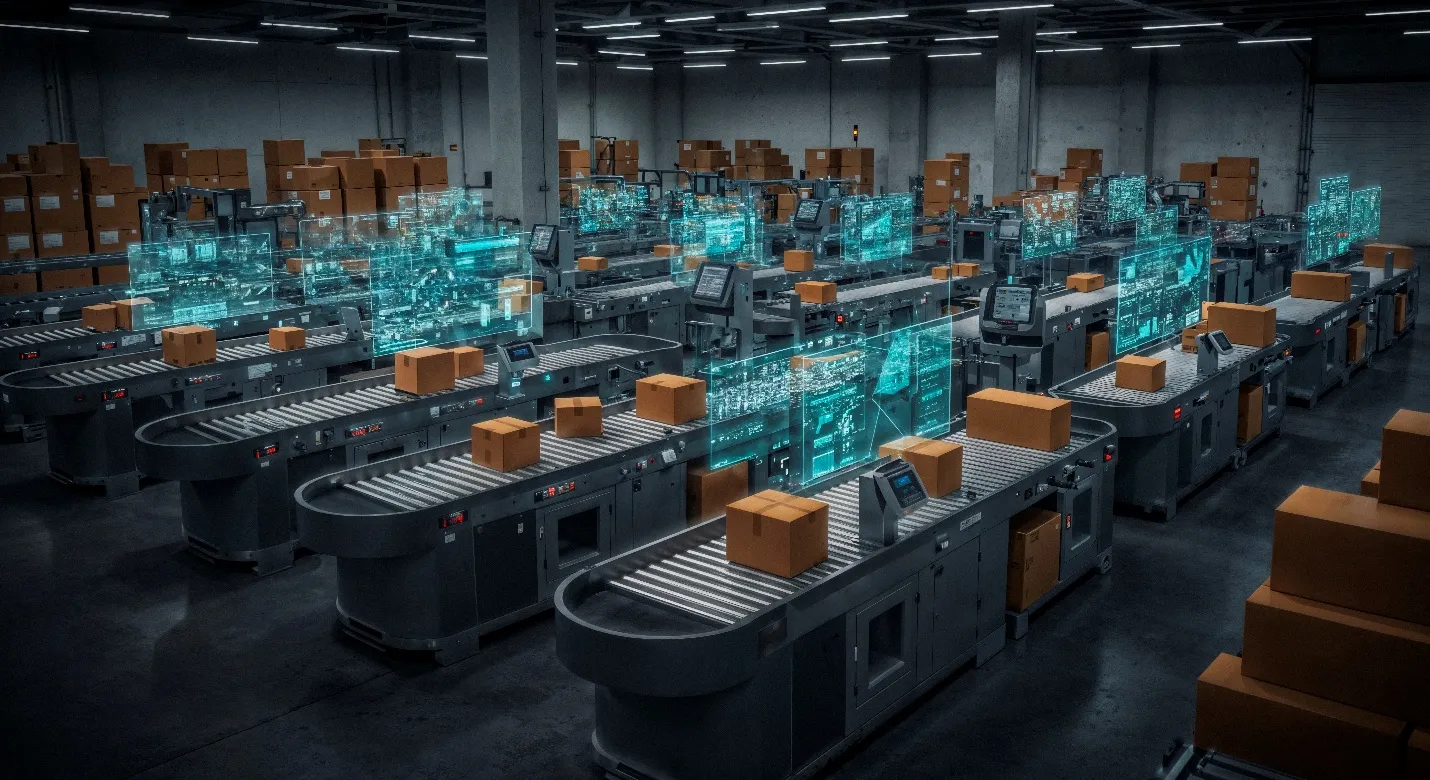
Suggested image alt text: Engineered industrial conveyor system integrated into a modern automated packaging facility.