
What You Will Learn
• How Freight Transportation Supports Modern Supply Chains
• The Benefits of Cross-Docking and Transloading Operations
• How Freight Consolidation Improves Efficiency
• Ways Businesses Reduce Transportation Costs
• The Role of Technology in Freight Management
• How to Choose the Right Logistics Partner
Freight transportation plays a critical role in helping businesses move products efficiently through the supply chain. Whether shipping goods across a region, throughout the country, or from international ports, companies rely on transportation networks that support inventory movement, timely deliveries, and operational efficiency. Many businesses use cross-docking and transloading services to improve freight flow while reducing delays and unnecessary storage costs.
As supply chains become increasingly complex, organizations continue looking for ways to streamline transportation operations. The use of cross-docking services helps businesses move freight more efficiently, enabling faster deliveries and better inventory management. Understanding available transportation solutions can help companies make informed logistics decisions and improve overall supply chain performance.
How Cross-Docking Improves Freight Movement
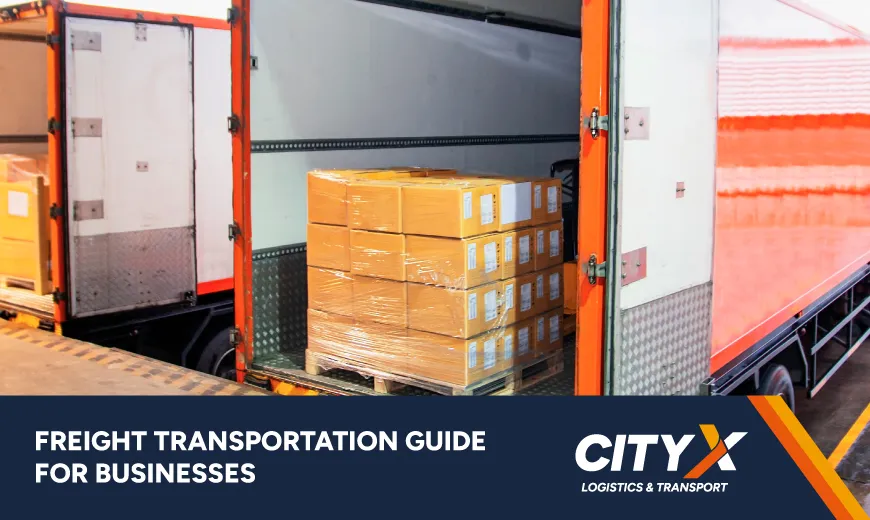
Cross-docking is a logistics process that allows freight to move directly from inbound transportation to outbound transportation with little or no long-term storage.
Rather than placing products into warehouse inventory, freight is often sorted and quickly transferred to the next stage of distribution.
Benefits of cross-docking may include:
-
Reduced storage requirements
-
Faster shipment processing
-
Improved inventory flow
-
Lower handling costs
Businesses often use cross dock & transloading services when speed and efficiency are important priorities within their supply chain operations.
Reducing the amount of time products spend sitting in storage can help improve delivery performance and overall logistics efficiency.
Understanding the Role of Transloading in Freight Transportation
Transloading involves transferring freight between different modes of transportation during its journey to a final destination.
Common examples include:
-
Moving freight from ocean containers to trucks
-
Transferring shipments between rail and truck transportation
-
Redistributing imported products for regional delivery
Transloading provides flexibility within transportation networks and helps businesses move freight more efficiently through multiple stages of distribution.
As transportation requirements evolve, transloading remains an important strategy for managing product movement across diverse supply chains.
Why a Cross Docking Warehouse Supports Faster Distribution
A cross docking warehouse is designed to facilitate rapid freight movement rather than long-term inventory storage.
These facilities often support:
-
Freight sorting
-
Shipment transfers
-
Product staging
-
Distribution coordination
Because products spend less time inside the facility, businesses may experience improved delivery timelines and greater operational efficiency.
Cross docking warehouses often serve as important connection points within transportation networks that require fast product movement.
How Freight Consolidation Services Improve Shipping Efficiency
Freight consolidation services help businesses combine multiple shipments into larger loads before transportation occurs.
Consolidation may provide advantages such as:
-
Better trailer utilization
-
Reduced shipping costs
-
Improved transportation efficiency
-
Lower handling requirements
Businesses moving smaller shipments often use freight consolidation services to gain cost savings while maintaining access to reliable transportation options.
Consolidation strategies can also help improve overall freight flow throughout the supply chain.
Container Transloading Services and Port Distribution Operations
International freight frequently arrives through ports before being distributed throughout regional and national markets.
Container transloading services help move products from shipping containers into transportation equipment better suited for final delivery.
These services may support:
-
Regional distribution
-
Retail replenishment
-
Warehouse transfers
-
Final-mile transportation
By improving the movement of imported products, container transloading services help businesses maintain inventory flow and respond more effectively to customer demand.
Efficient port-to-distribution processes remain important components of modern logistics operations.
How Transloading and Cross Docking Work Together
Many logistics operations benefit from combining transloading and cross docking within the same freight movement strategy.
Transloading and cross docking may work together to:
-
Reduce storage requirements
-
Improve freight flow
-
Accelerate delivery timelines
-
Increase transportation flexibility
Products can move efficiently between transportation modes while minimizing delays associated with long-term warehousing.
This combination often supports more responsive and cost-effective supply chain operations.
Why Businesses Work With a Freight Transloading Company
Managing freight transportation requires coordination among transportation providers, warehouses, distribution facilities, and customers.
A freight transloading company may help businesses:
-
Improve transportation efficiency
-
Support distribution operations
-
Reduce handling requirements
-
Increase logistics flexibility
-
Improve shipment visibility
Experienced logistics providers often help businesses develop customized transportation solutions based on operational needs and shipping requirements.
Strong logistics partnerships can contribute significantly to overall supply chain performance.
Technology and Visibility in Modern Freight Transportation
Technology continues to improve how businesses manage freight movement and transportation operations.
Modern logistics systems often provide:
-
Shipment tracking
-
Inventory visibility
-
Transportation reporting
-
Operational analytics
-
Real-time updates
Access to accurate information allows businesses to monitor freight activity and respond more effectively to changing conditions.
Greater visibility often supports stronger decision-making and improved logistics performance.
Choosing Transportation Solutions That Support Growth
As businesses expand, transportation requirements often become more complex. Additional inventory, customer demand, and geographic reach can create new logistics challenges.
Organizations frequently evaluate transportation strategies based on:
-
Cost efficiency
-
Service reliability
-
Distribution capabilities
-
Scalability
-
Operational flexibility
Businesses utilizing cross dock & transloading services and cross docking strategies often gain greater control over freight movement while supporting long-term growth objectives.
Selecting transportation solutions that align with business goals can contribute to stronger supply chain performance and improved customer satisfaction.
FAQs
What is cross docking?
Cross docking is a logistics process that transfers freight directly from inbound transportation to outbound transportation with little or no long-term storage.
What is transloading?
Transloading involves moving freight between different transportation modes, such as transferring products from shipping containers to trucks.
How does a cross docking warehouse differ from a traditional warehouse?
A cross docking warehouse focuses on rapid freight movement and transfers, while traditional warehouses are designed for longer-term inventory storage.
What are freight consolidation services?
Freight consolidation services combine smaller shipments into larger loads to improve transportation efficiency and reduce shipping costs.
Why do businesses use container transloading services?
Container transloading services help move imported products from shipping containers into transportation equipment suitable for regional and final distribution.
Summary
Freight transportation plays a vital role in supporting efficient supply chain operations. Businesses continue adopting logistics strategies that improve freight flow, reduce costs, and support faster deliveries. Companies utilizing cross dock & transloading services and cross docking operations often benefit from greater transportation efficiency, improved inventory movement, and stronger overall supply chain performance.
Experience the Best Cross-Docking & Transloading Services
Trust City Logistics & Transport to strengthen your cross-docking & transloading supply chain operations with organized distribution warehousing, scalable logistics support, and dependable inventory coordination designed to keep products moving efficiently. Businesses using 3PL warehousing and structured fulfillment systems are often better positioned to support long-term growth, improve delivery performance, and respond more effectively to changing demand. Call Us Today: 310-223-1010.