

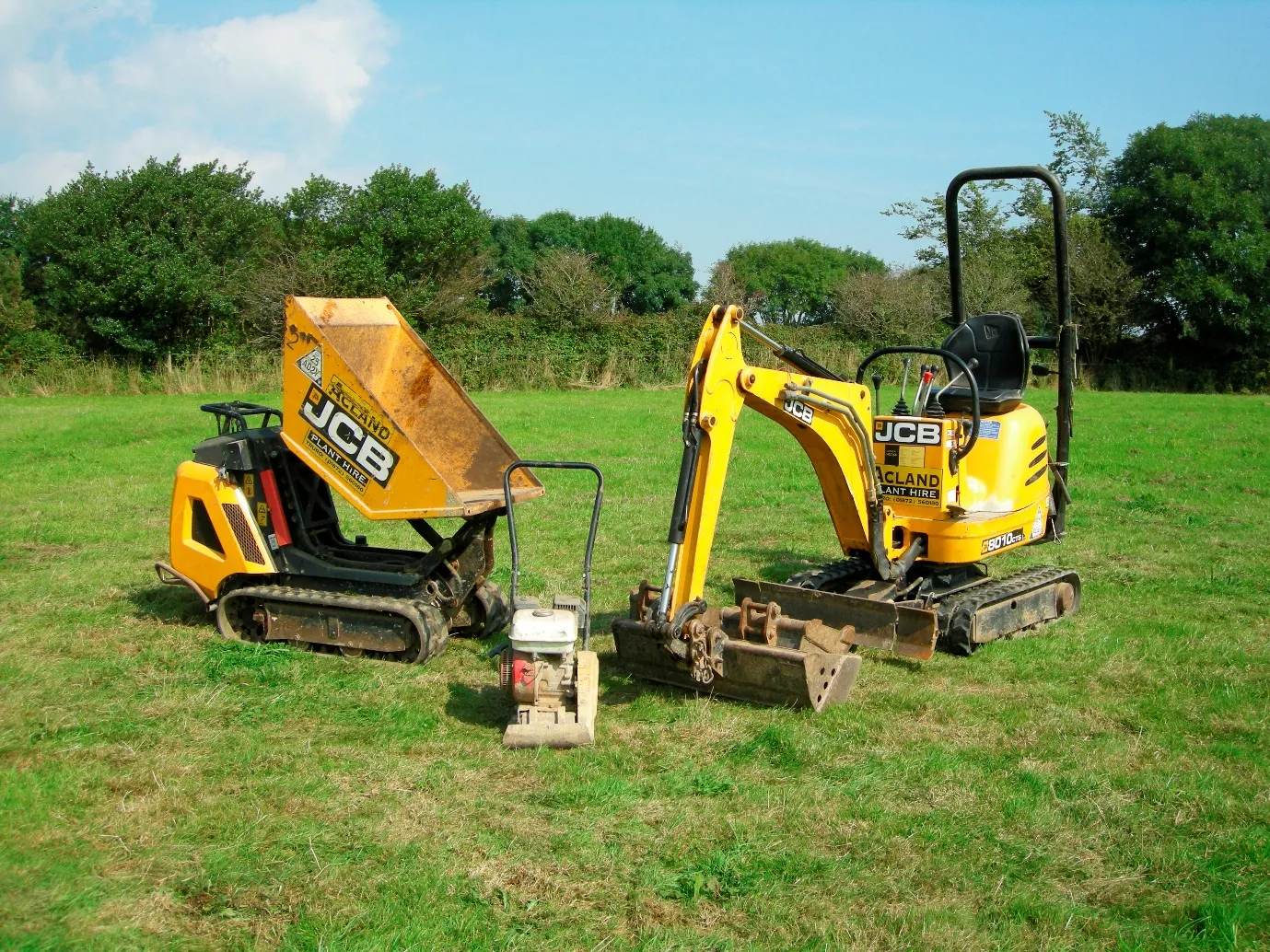
The sticker price of a machine is only the beginning. Owners also pay for insurance, servicing, storage, tyres or tracks, repairs and transport trailers. These costs arrive whether the machine works every day or sits idle behind a shed for three months, and they rarely appear in the first calculation. Those hidden extras can quietly erase any early saving.
Depreciation is the quiet drain. Even well-kept equipment loses value each year, and resale prices seldom match what owners hoped for. Add the money tied up in the purchase itself, and ownership looks far more expensive than the original invoice suggests, especially for machines that only work occasionally. Time passes, and the machine’s value keeps sliding.
Where Hiring Makes Financial Sense
Hiring turns a large capital outlay into a predictable running cost that you can build straight into a job quote. You pay only while the machine is on site, and the bill ends when the work does. There are no storage worries, no finance repayments and no idle months.
This suits small builders, landscapers, farmers and homeowners whose needs change from project to project. One month might need a mini digger, the next a roller or dumper. Owning all three would be wasteful, while hiring them as required is simple, flexible and easy to budget. It is a simple way to keep tight margins under control.
When Buying Can Still Win
Ownership makes sense for machines used almost daily, ideally on steady contracts. If a digger works two hundred days a year, the maths shifts in your favour, particularly when it is financed carefully and maintained properly. A reliable pipeline of work is the essential ingredient.
Be honest about utilisation, because many people overestimate how often a machine will really work. Review your last twelve months of jobs, count the genuine machine days, and compare that figure with hire charges before committing to a purchase. Optimism is expensive when the machine stands idle. A confident, evidence-based decision beats a hopeful guess.
Maintenance and Downtime Risk
When your own machine fails, you wait for parts, pay for repairs and often lose a working day. Hired equipment normally arrives serviced and ready, and a breakdown becomes the supplier’s problem to solve rather than yours. That peace of mind has a genuine financial value.
That reliability is a big reason many local firms lean on plant hire Cornwall suppliers instead of keeping a yard full of ageing kit. A quick swap is usually faster than a workshop repair, and your crew keeps earning in the meantime instead of standing around waiting for a mechanic. Fewer surprises mean easier planning.
Cash Flow and the Wrong-Machine Risk
Cash flow decides whether small firms thrive. A purchase or finance agreement ties up money that could pay wages, materials or tax bills. Hire charges, by contrast, appear as a job cost and can be passed on to the client through your quote without straining the business.
Hiring also removes the risk of buying the wrong machine. If a project turns out different from the plan, you simply swap equipment. Owners are stuck with their decision, and selling a specialist machine quickly can mean accepting a poor price, which turns a small mistake into a large loss. Flexibility is a form of insurance for a growing business.
Running the Numbers Yourself
Build a simple comparison. List the purchase price, finance interest, insurance, servicing, storage and expected resale value. Then divide the total by the number of days the machine will realistically work each year. This single daily figure cuts through most of the confusion.
Set that daily figure against the hire rate, including delivery. If hire is cheaper at your usage level, stay flexible. If ownership wins by a clear margin, buy with confidence. Revisit the decision every year as your workload changes, because the right answer today may not stay right. This habit takes an hour and can save thousands.
Conclusion
Hire or buy is not a question with one answer. Low or irregular usage favours hiring, while heavy daily use can justify ownership. The key is honest numbers rather than pride or habit, and a willingness to change course when your business grows or your workload shifts direction.
For flexible equipment, practical advice and no-obligation quotes, speak with Acland Plant Hire on 01872 560180. Their Truro-based team can help you work out which route keeps your next project cheaper and simpler, and can suggest the right machines for the job in front of you. Honest advice makes that decision easier.